Let’s Embark on An Odyssey Through Epic Films

Available on
Cinema showtimes
You must allow us to access your location in order to see showtimes near you.
Every cinephile on the planet has spent the summer feverishly anticipating the latest film from director Christopher Nolan – and The Odyssey did not disappoint. It’s filmmaking on the grandest possible scale: packed with A-list names, shot over six months in multiple countries on multiple continents, and based on one of the foundational epics of Western literature. After we had a lie down and recovered from being so thoroughly swept up in Nolan’s vision, it got us thinking about the other grand filmmaking efforts that deliver a similarly overwhelming experience: the all-encompassing epics.
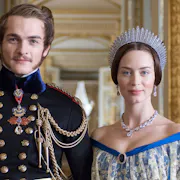
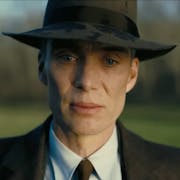
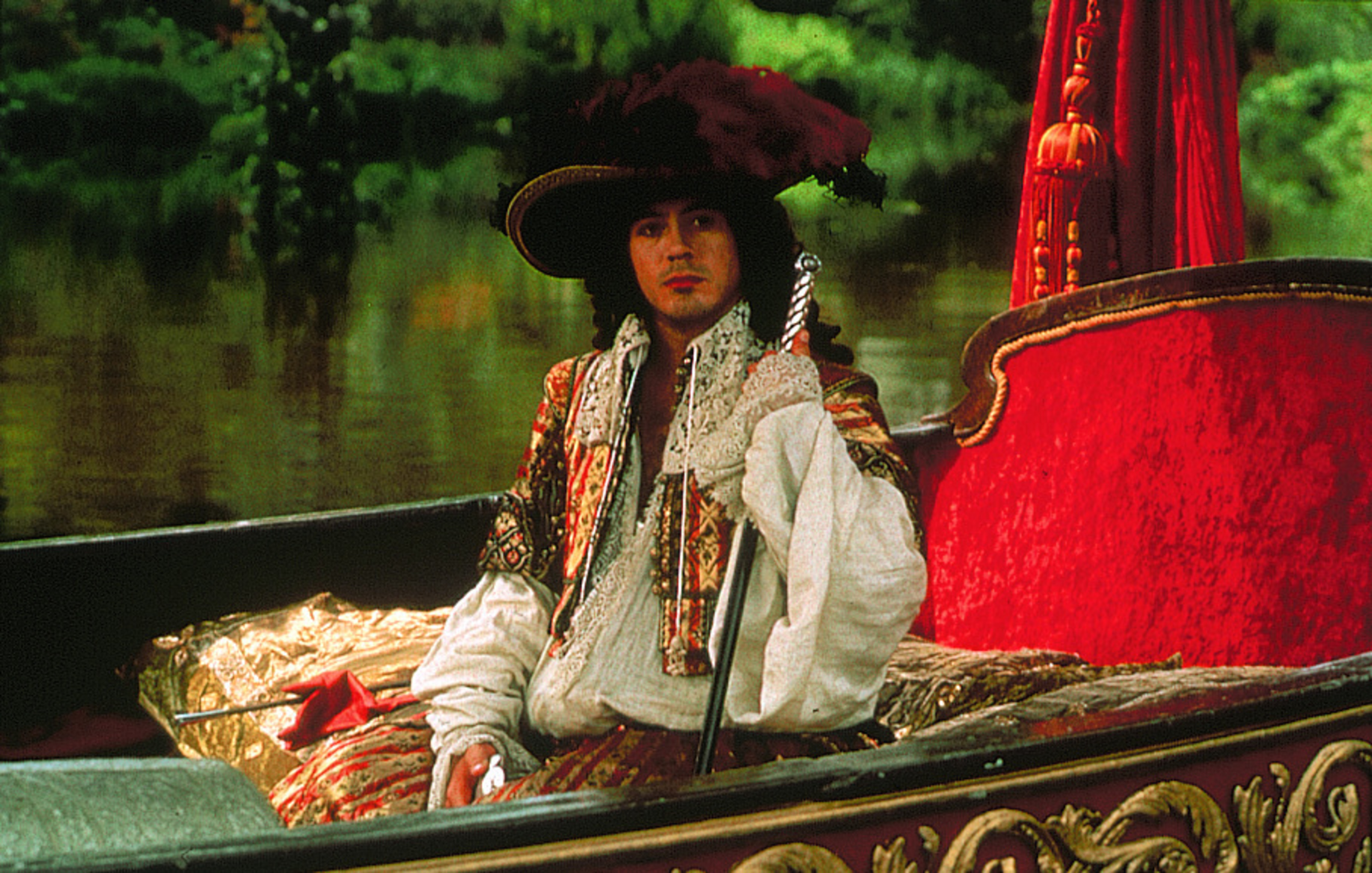
Obviously, we have to start with Nolan’s previous work in the too-big-to-fail genre. The recent history of Oppenheimer may not appear to share much in common with The Odyssey but there are similarities. There’s the lengthy running time, and world-shaking subject matter, about the man who developed the atomic bomb. There’s an all-star cast, including Matt Damon (The Martian, Green Zone) but also Emily Blunt (The Young Victoria) and Robert Downey Jr (Restoration). You can even see a thematic similarity: Damon’s General Leslie Groves just wants Oppenheimer and company to get the job done so he can stop criss-crossing the country and go home at last.
Nolan’s Dunkirk is also about stranded men trying desperately to get back across the sea to their homes, and despairing of their chances against a German attack during World War II. It’s another stacked cast, including Cillian Murphy (28 Days Later, Sunshine), Harry Styles (My Policeman), Kenneth Branagh (Death on the Nile) and Tom Hardy (Legend, Peaky Blinders). And you get so caught up in the excitement of the action that you may not notice the timeline tricksiness of the film for quite some time – just as The Odyssey nestles stories inside stories in its main narrative.

The Martian

Sunshine
Of course, Nolan is hardly the first British director to go big instead of going home. When you say “epic” the first name on many film fans’ lips will be David Lean, who established just how big one story could be with Lawrence of Arabia in 1962, starring Peter O’Toole (Stardust, Venus) as the Englishman who played a key role in enlisting the help of Bedouin tribes to the British forces in World War I. With a scope as wide as the Sahara and supporting turns from the likes of Omar Sharif (Mayerling) and Alec Guinness (Kind Hearts And Coronets, Tinker Tailor Soldier Spy). Lean continued in similarly epic form throughout his career: it’s also worth seeking out A Passage To India, Doctor Zhivago and Ryan’s Daughter.
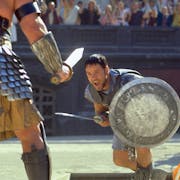
For other contemporary directors working on a massive scale, look no further than Ridley Scott. It feels like he got a taste for it with Gladiator, starring Russell Crowe and Joaquin Phoenix (Mary Magdalene, You Were Never Really Here) as the general and emperor whose rivalry sees the former sold as a slave and turned into a gladiator. That was a huge hit and remains a beloved classic, and in 2025 Scott followed it with Gladiator II, starring Paul Mescal (All of Us Strangers, Aftersun), Pedro Pascal (Eddington) and Joseph Quinn (Hoard) as the contenders duking it out to determine the fate of ancient Rome.
But those are not Scott’s only epics. Kingdom of Heaven stars Orlando Bloom (The Cut) as a blacksmith turned knight who travels across medieval Europe to fight the Crusades, fighting beside his estranged father (Liam Neeson, Ordinary Love, Widows, Cold Storage), and meeting a besieged princess (Eva Green, Casino Royale, Penny Dreadful). Later Scott made Napoleon, a gigantic subject that has inspired and frustrated filmmakers for decades. That also star Joaquin Phoenix, alongside Vanessa Kirby (The Son, Mr Jones), Rupert Everett (A Royal Night Out, Rivals, St Trinian’s) and Tahar Rahim (The Serpent).

The Cut

Widows
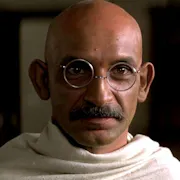
In fact, it’s quite frequent for cinematic legends to try to fill their own huge-scale canvas. Stanley Kubrick did little else; try out Barry Lyndon for a taste of the sheer scope and beauty of his work. Michael Powell and Erich Pressburger created similarly ravishing worlds, like the soaring Technicolor of The Red Shoes. Bernardo Bertolucci was better known for closely observed adult dramas, but he could tackle massive subjects: The Last Emperor chronicles revolution and the fall of an empire, as told through the life of one man. Then there’s Richard Attenborough’s Oscar-winning Gandhi, one of those films that literally has a cast of thousands – but how else do you shoot the story of a man who led a revolution? Ben Kingsley (An Ordinary Man, Sexy Beast, The Thursday Murder Club) can’t do it all on his own.
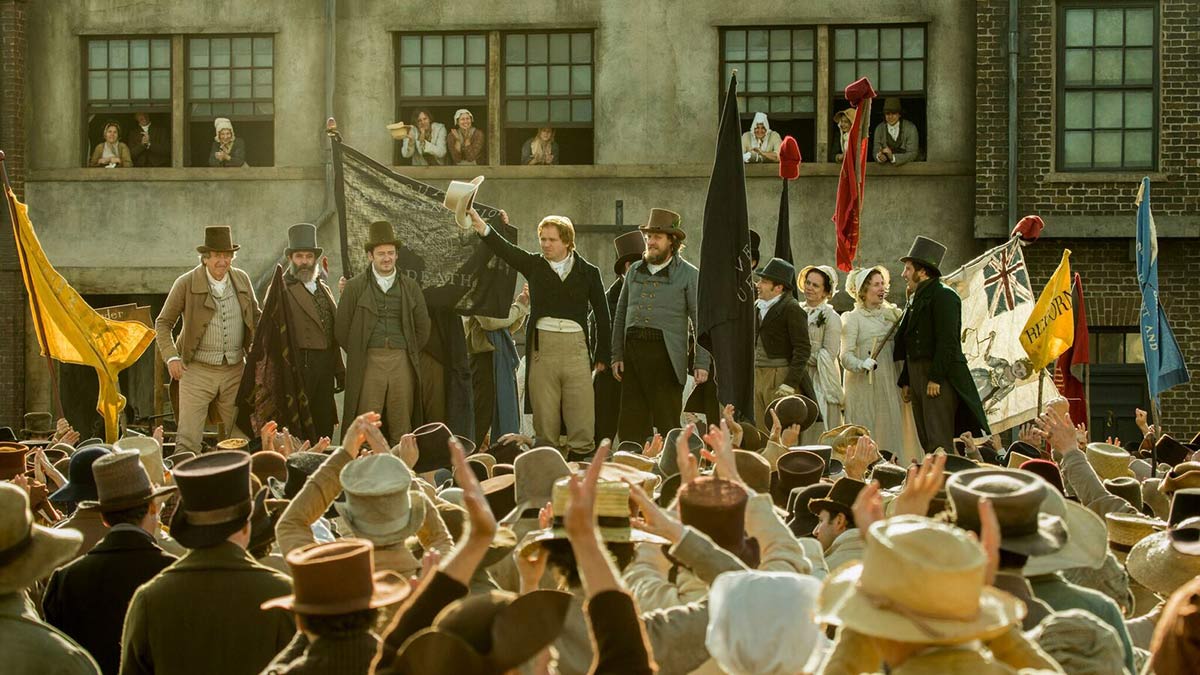
If you prefer to visit the Tudor era, try Fred Zinnemann’s A Man for All Seasons, the story of Sir Thomas More (Paul Schofield); that also features a very young John Hurt (Alien) in one of his earliest screen roles. And remember that TV can offer the same experience, especially if you binge it: the Anne Boleyn series, or that of her daughter Elizabeth I offer lavish costumes, lush locations and high drama as well as stars like Jodie Turner-Smith and Helen Mirren (The Duke, Gosford Park). Really you could move right through history in immersive, sweeping films: from The Favourite to Peterloo to 1917 to Darkest Hour.

The Red Shoes

Peterloo
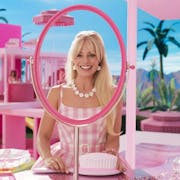
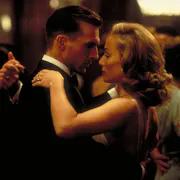
There are massive fantasy epics, of course: the Harry Potter films, Game of Thrones and His Dark Materials. Arguably even Barbie qualifies, taking you out of your head and away to a world of Margot Robbie (Wuthering Heights, Mary Queen of Scots). If you prefer something more twisted, try the weird and wonderful world of Poor Things. Other literary adaptations, of course, are a rich source of tales that can sweep you away: think Les Miserables or The English Patient or even Outlander.
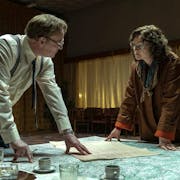
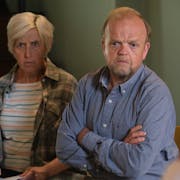
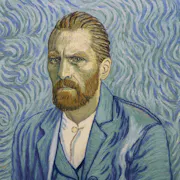
More modern stories of tragedy and heroism form the backbone of bingeable, all-consuming, real-life shows like Chernobyl, It’s A Sin or Mr Bates vs The Post Office. Arguably there’s a sense of epic storytelling to documentaries like Blue Planet or Alexander: The Making of a God. And there’s a similar feeling of wild ambition to some animation: think about Loving Vincent, say, which was not hand-drawn or digitally animated but actually oil painted like the work of its subject, Vincent Van Gogh.

The English Patient

Blue Planet
These are examples of filmmaking (and sometimes TV or documentary) on a grand scale, full of ambition and a willingness to push the boundaries of what’s been possible before. Just like Christopher Nolan, packing up a score of A-listers and dragging them to the most remote places on Earth, these are filmmakers who will go to any lengths to make films that move us. It may – like Odysseus – take them years or decades to get the job done, but we’re grateful that they try!